
Recorded Video
Before viewing
This footage is a direct recording of the meeting proceedings, and therefore it contains parts in both Japanese and English.
Please use the YouTube subtitles (CC) function as needed.
- Click the settings icon at the bottom right of the video screen.
- Select "subtitles" → "English (auto-generated)".
- Under "English (auto-generated)", select "auto-translate" and choose your preferred language.
Note: For example, if you select Japanese, subtitles will not be displayed for Japanese speech, and only the English portions will be shown with Japanese auto-translation.
We appreciate your understanding and cooperation.
Summary
The first half of the session featured presentations on support and challenges regarding youth environmental activities, followed by an interactive discussion with panelists and participants in the second half.
The first speaker, reported based on a survey of youth, the biggest challenge of the youth is the lack of time, alongside funding shortages. This is caused by balancing activities with academic work or primary jobs which means that there is a structural barrier to implementing and sustaining youth environmental action. She then shared the achievements of "Green Future Makers," a programme supporting step-by-step learning and networking. The second speaker addressed the decline in participation during the transition from student to working professional, proposing a collaborative platform that connects daily environmental actions to career development. The third speaker introduced her activities as a Hyogo Student Promoter alongside environmental PR using social media and cosplay. She pointed out difficulties in reaching uninterested peers and the lack of matching with adults, emphasising the importance of spaces for intergenerational collaboration.
Concluding the session, the moderator stressed the importance of reframing youth not merely as targets for development, but as partners for change, empowering their ideas while providing connective opportunities to collaborate toward implementation.
Prepared by: MIWA Koji (IGES)
Panel Discussion

Moderator
FUKUDA Miki
Chief Policy Researcher / Lens Facilitator, Integrated Sustainability Centre, IGES

Panelist
YADOMARU Kotoko
President, NatureLit Japan / Co founder, GFM

Panelist
KITAMURA Saya
Student, Faculty of Economics, University of Marketing and Distribution Sciences (Student Ambassador for Climate Change Prevention Activities, Hyogo Prefecture)
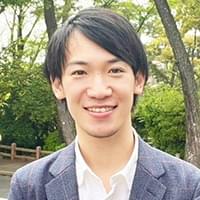
Panelist
IKEOKA Takuto
Completed Master's Degree at University of Jyväskylä, Finland / Graduate of Kobe University
-min.JPG)
-min.JPG)
-min.JPG)
-min.JPG)
-min.JPG)
-min.JPG)
-min.JPG)
-min.JPG)
-min.JPG)
-min.JPG)
-min.JPG)
-min.JPG)