Recorded Video
Before viewing
This footage is a direct recording of the meeting proceedings, and therefore it contains parts in both Japanese and English.
Please use the YouTube subtitles (CC) function as needed.
- Click the settings icon at the bottom right of the video screen.
- Select "subtitles" → "English (auto-generated)".
- Under "English (auto-generated)", select "auto-translate" and choose your preferred language.
Note: For example, if you select Japanese, subtitles will not be displayed for Japanese speech, and only the English portions will be shown with Japanese auto-translation.
We appreciate your understanding and cooperation.
Summary
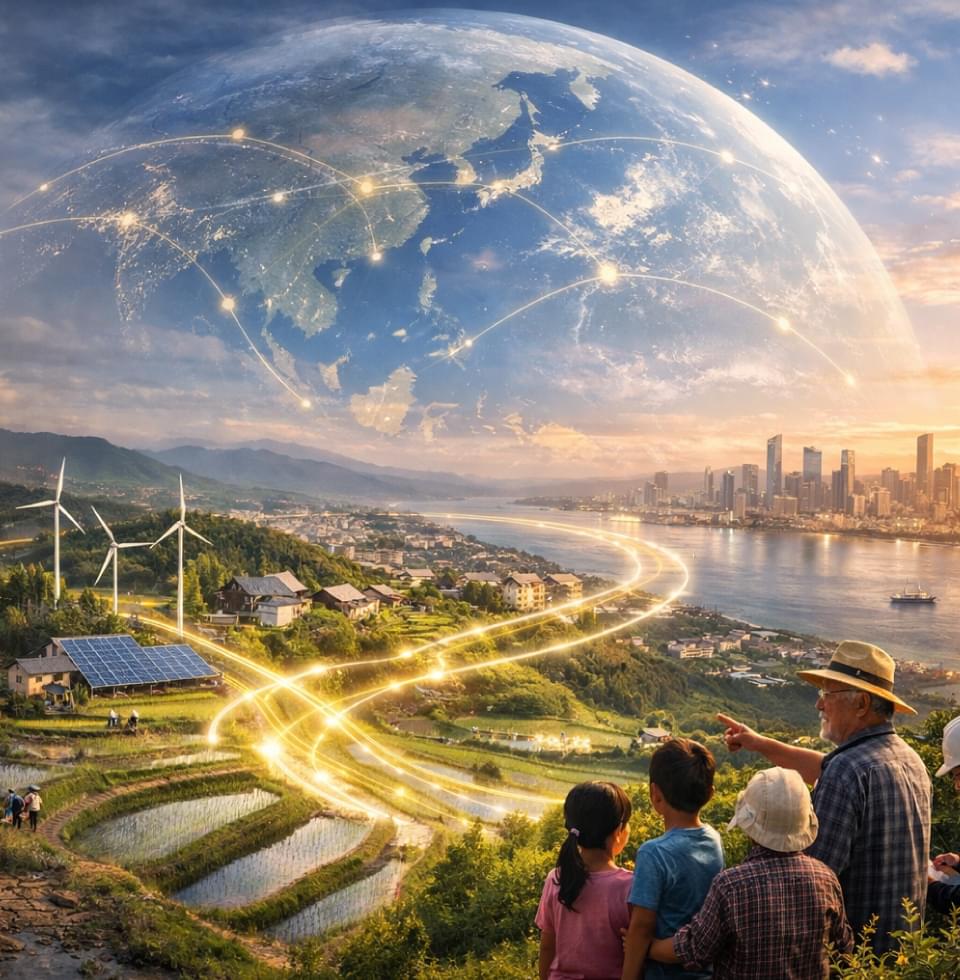
This parallel session explored the synergy approach to addressing the triple crisis—climate change, biodiversity loss, and pollution—by transitioning from conventional, "grey" concrete infrastructure to multifunctional green infrastructure. The speakers emphasised that nature-based solutions are essential for solving multiple social, economic and environmental challenges simultaneously rather than in silos.
The first speaker presented research on optimising renewable energy projects through scientific data, ensuring they align with biodiversity goals to achieve nature-positive outcomes rather than causing ecological damage.
The second speaker showcased a 25-year-old "Five Trees" (Gohon no Ki) project. This initiative integrates native plant species into residential gardens, successfully fostering local ecosystems and significantly improving human well-being through data-driven design.
The third speaker highlighted the power of "small-scale nature restoration." By leveraging traditional techniques and engaging local communities, these manageable, low-cost projects effectively balance flood control, habitat restoration and local tourism.
The session concluded that a successful transition to a nature-positive society requires collaborative, multisectoral mechanisms where governments, businesses, researchers and citizens co-create solutions. By aligning interests and using scientific evidence, we can turn nature conservation into a foundational pillar of sustainable regional development.
Prepared by: MIWA Koji (IGES)
Panel Discussion

Moderator
MIWA Koji
Research Manager, Biodiversity and Ecosystem Services Unit, IGES
Panelist
MATSUI Takanori
Assistant Professor, Univ. of Osaka

Panelist
ISAKA Yuki
Operating Officer/ Head of Environment Improving Department, SEKISUI HOUSE, LTD.
Joined Sekisui House in 2005. Began career in sales of custom-built detached housing, followed by sales and marketing roles for overseas real estate development projects, gaining experience in international markets and project development. Later engaged in ESG communications, integrating sustainability perspectives into corporate messaging and business strategy.
Since 2023, serving in the current role, leading environmental initiatives across business activities. Areas of focus include CO₂ emissions reduction, biodiversity conservation, and the promotion of circular economy initiatives. With a career spanning business development, ESG communication, and environmental strategy, committed to advancing practical, nature-positive and decarbonization-oriented solutions within the housing and construction industry.
Panelist
MITSUHASHI Hiromune
Chief Curator, Museum of Nature & Human Activities Hyogo
-min.JPG)
-min.JPG)
-min.JPG)
-min.JPG)
-min.JPG)
-min.JPG)
-min.JPG)
-min.JPG)
-min.JPG)
-min.JPG)
-min.JPG)
-min.JPG)
For more information about Environment Research and Technology Development Fund, Strategic Research and Development Project (S-21), "Development of an integrated Assessment Model linking Biodiversity and Socio-Economic Drivers, and its Social Application": https://iam-b.jp/en/